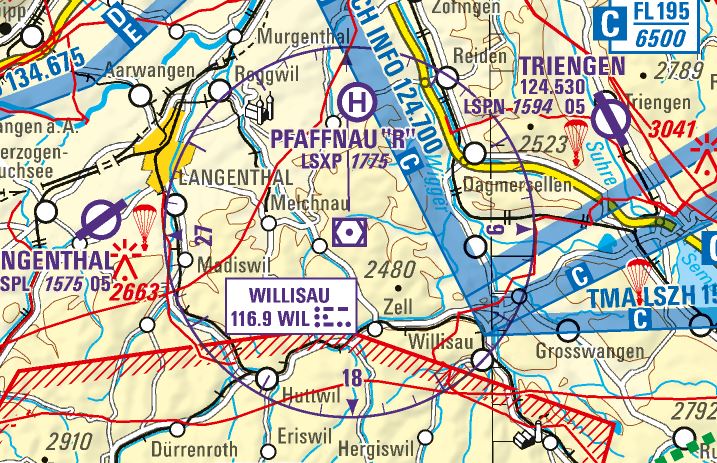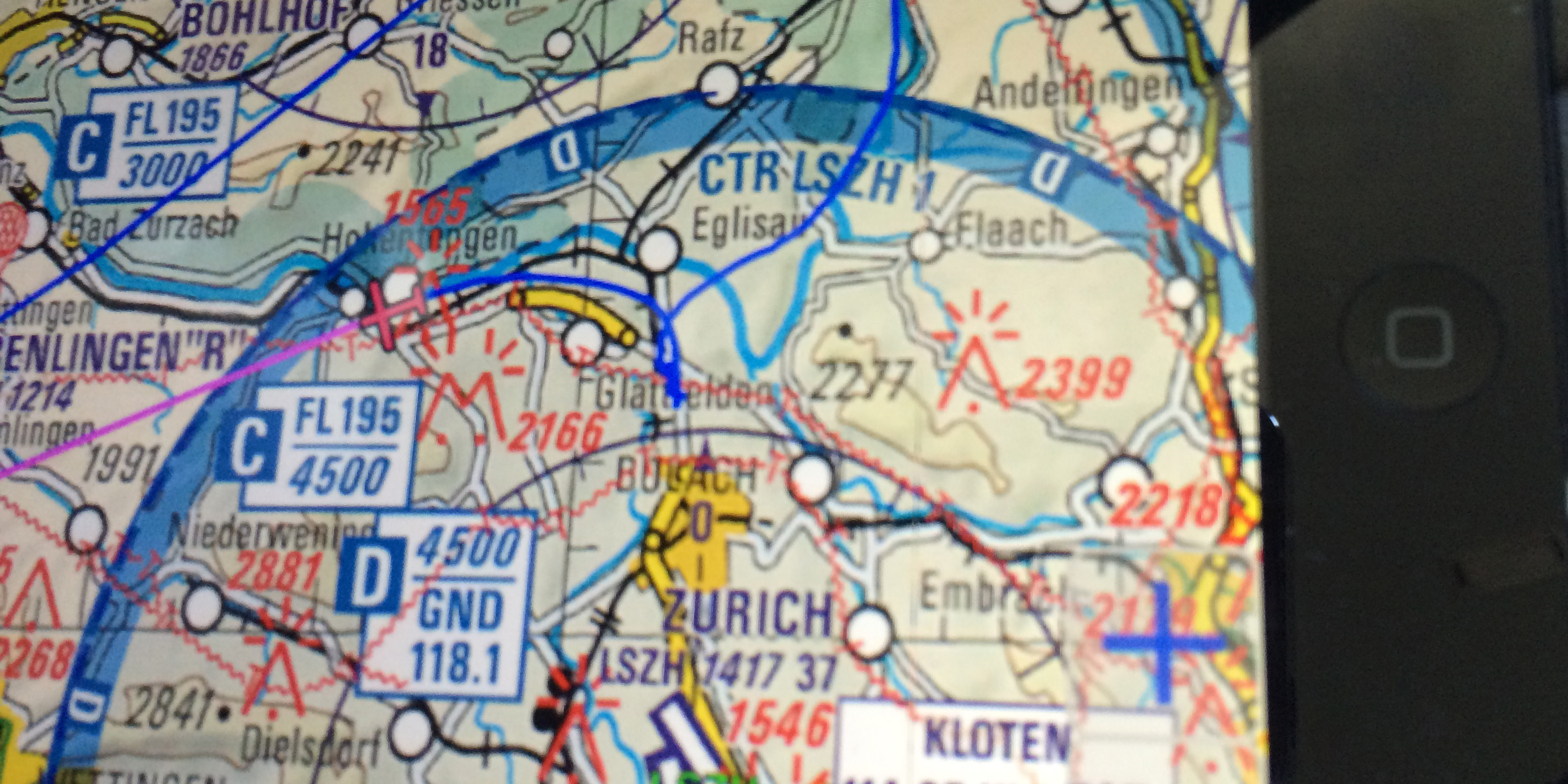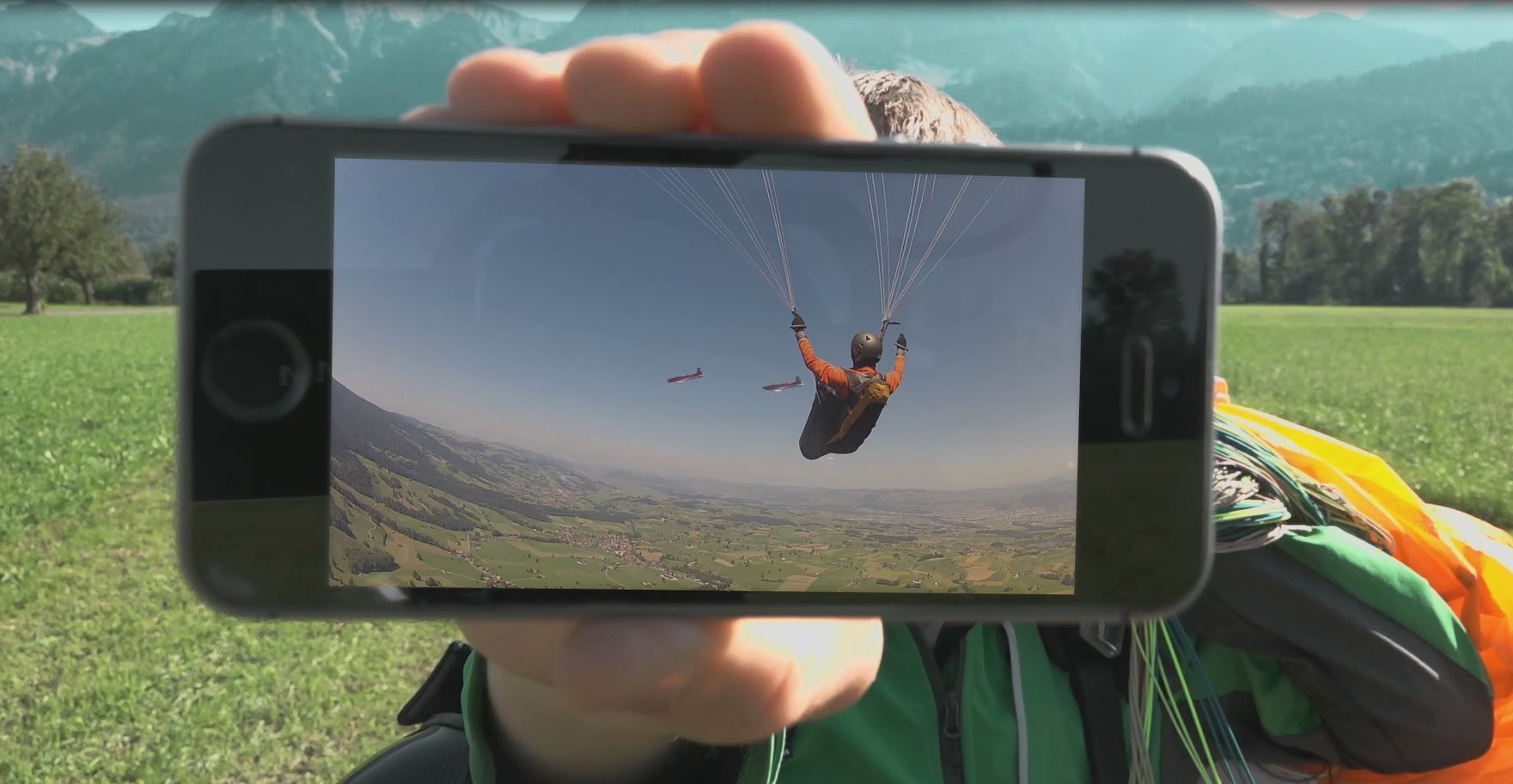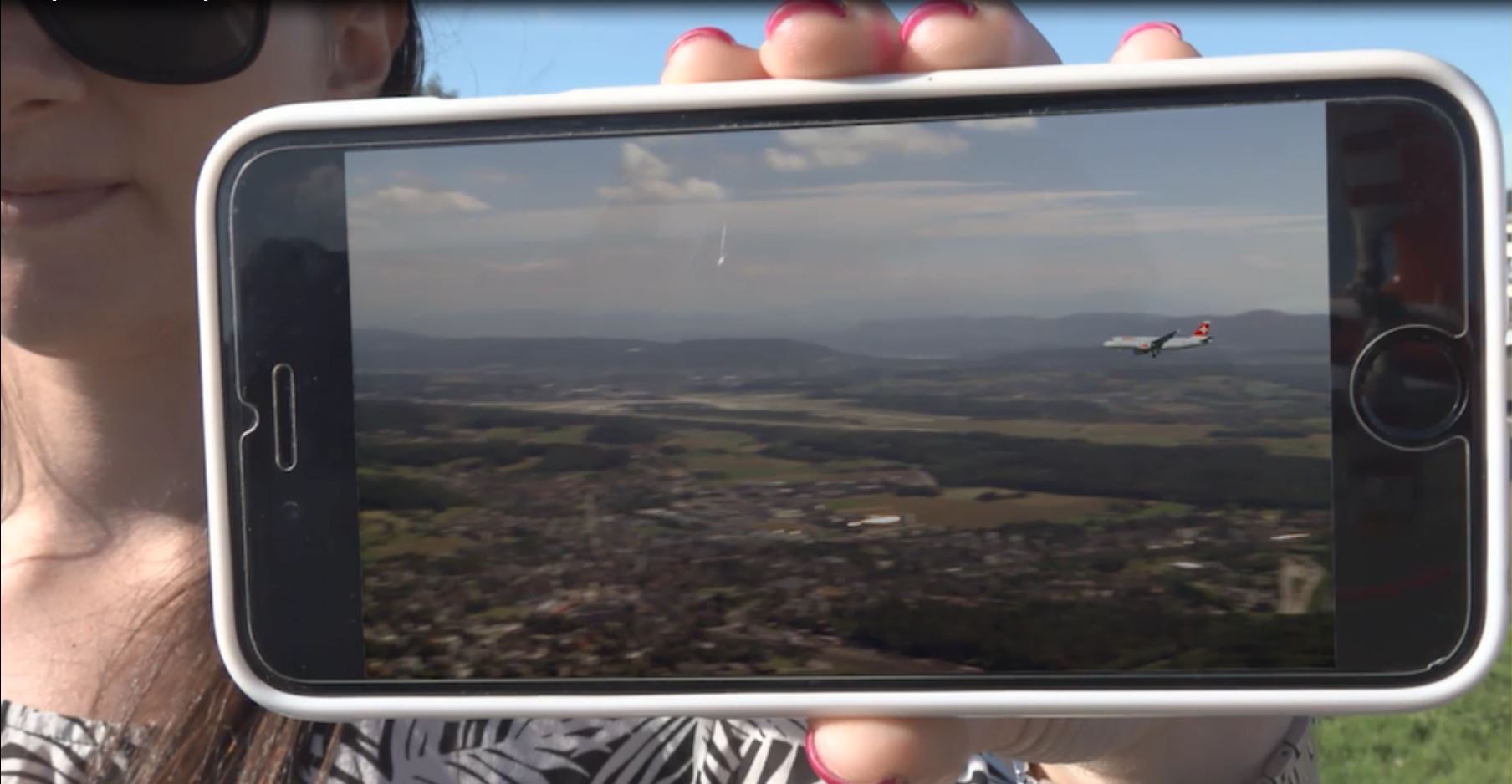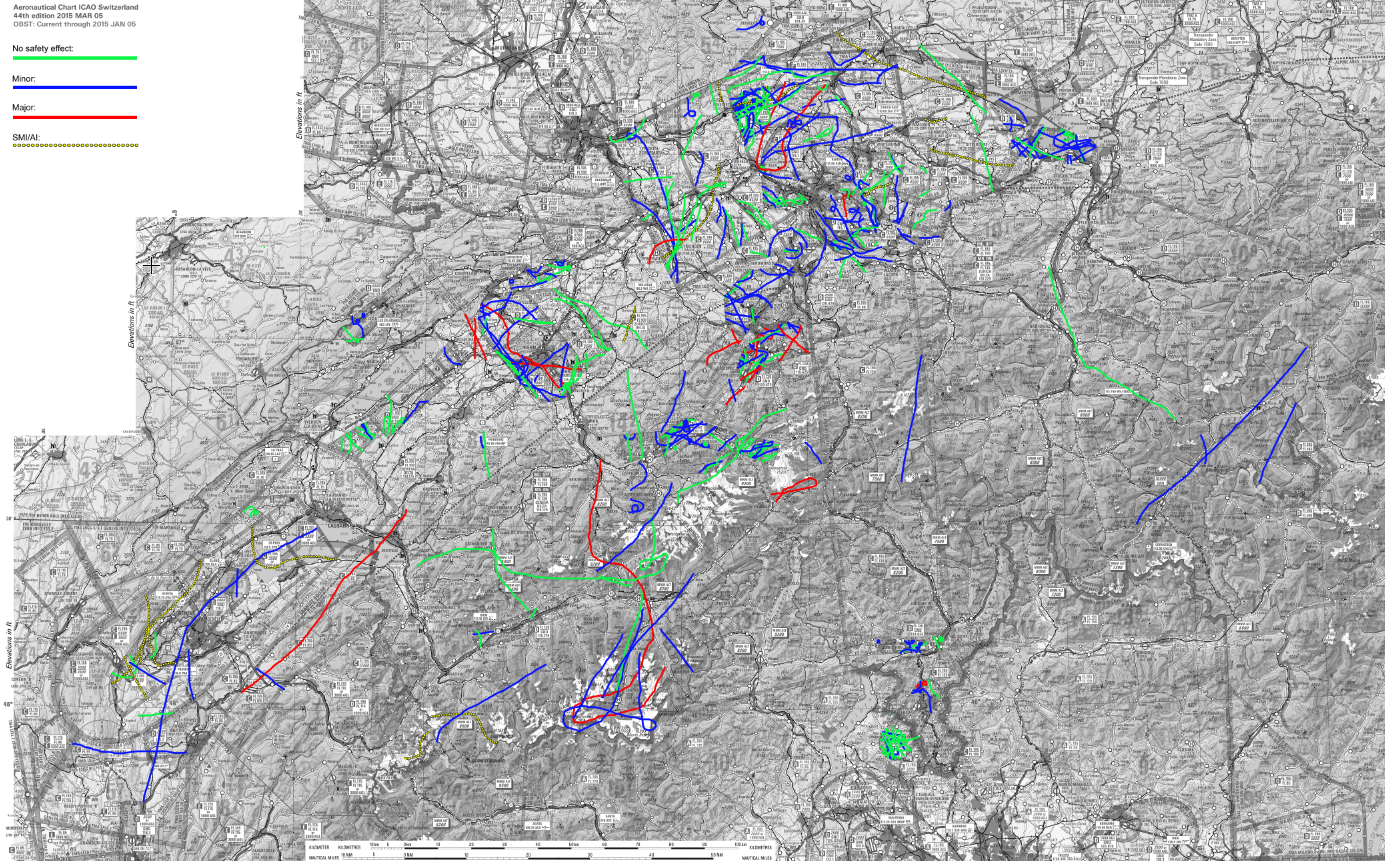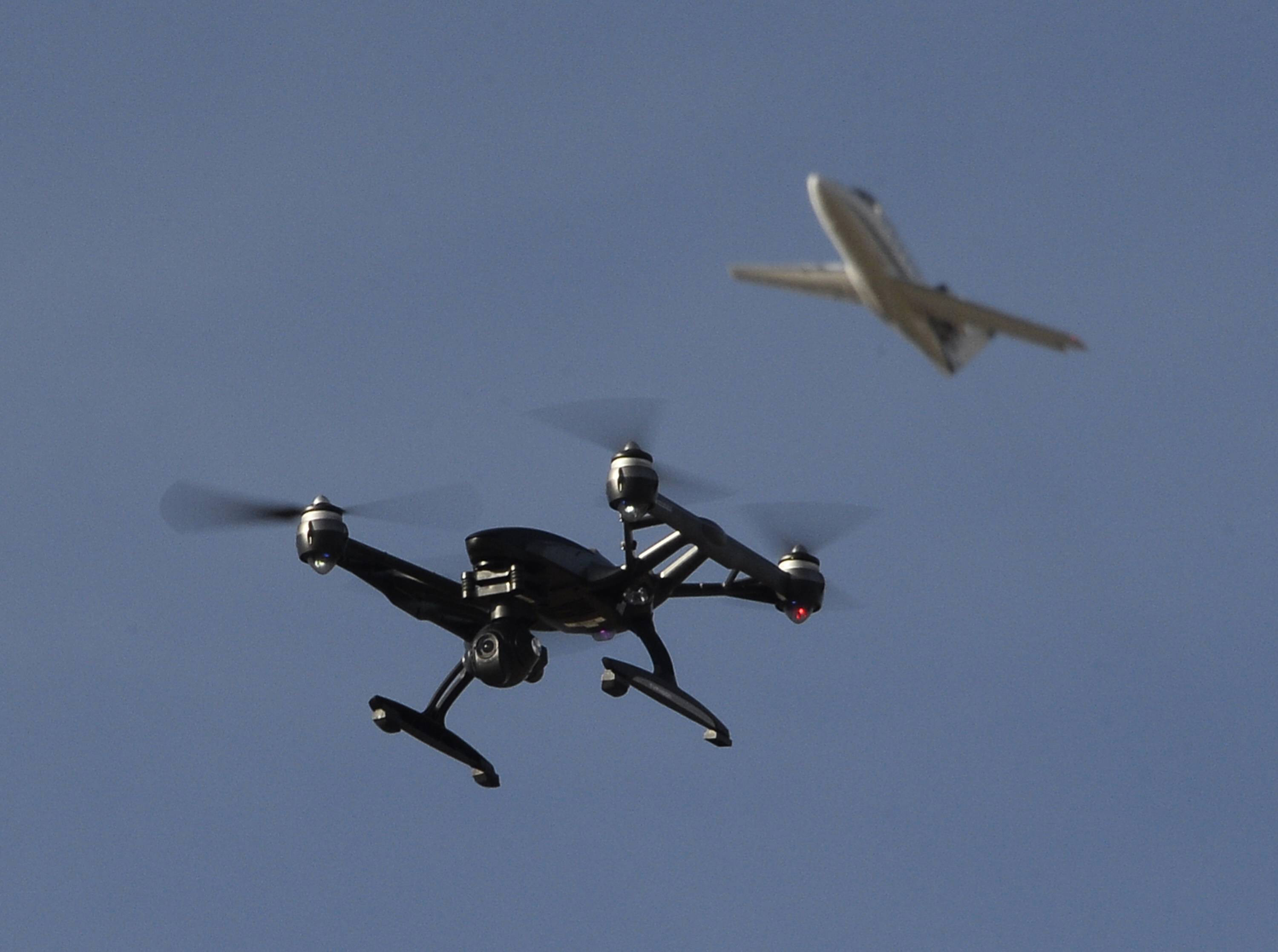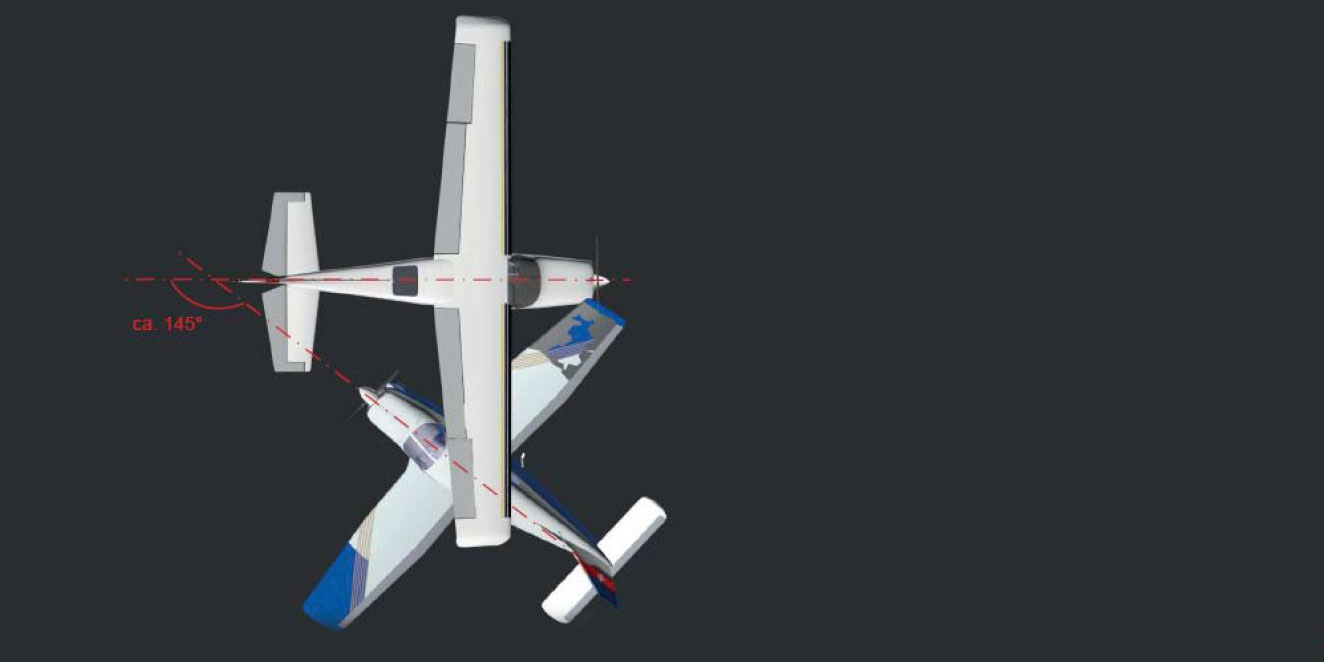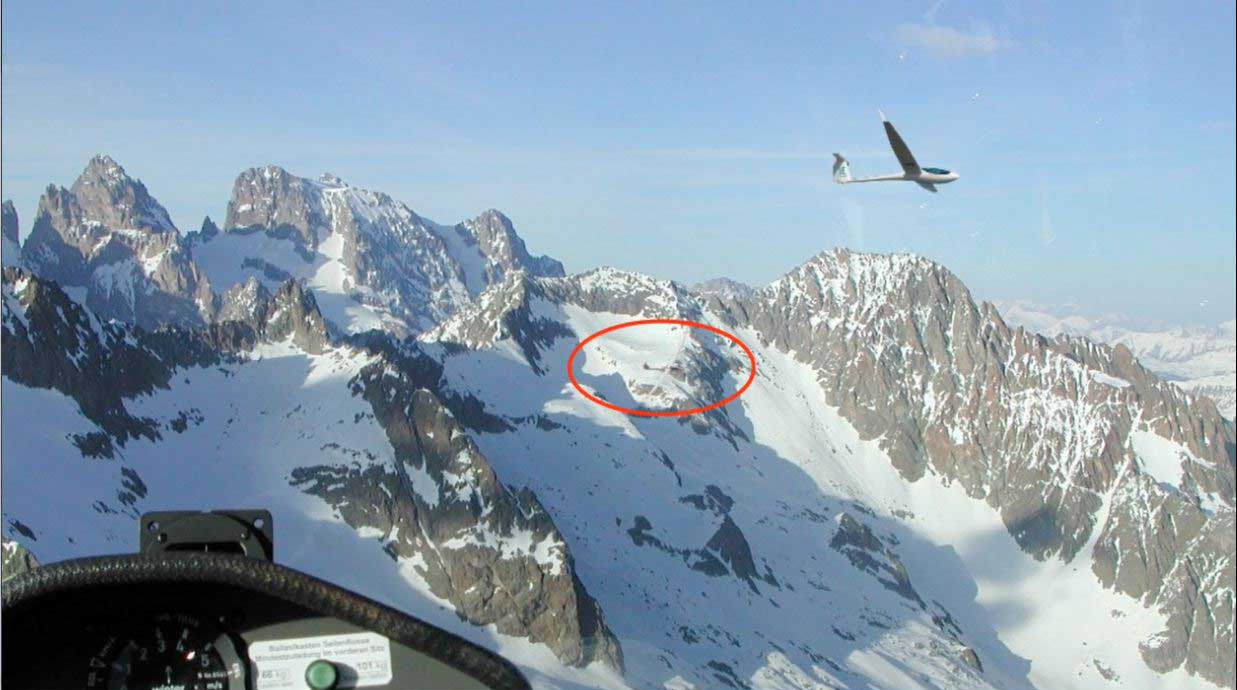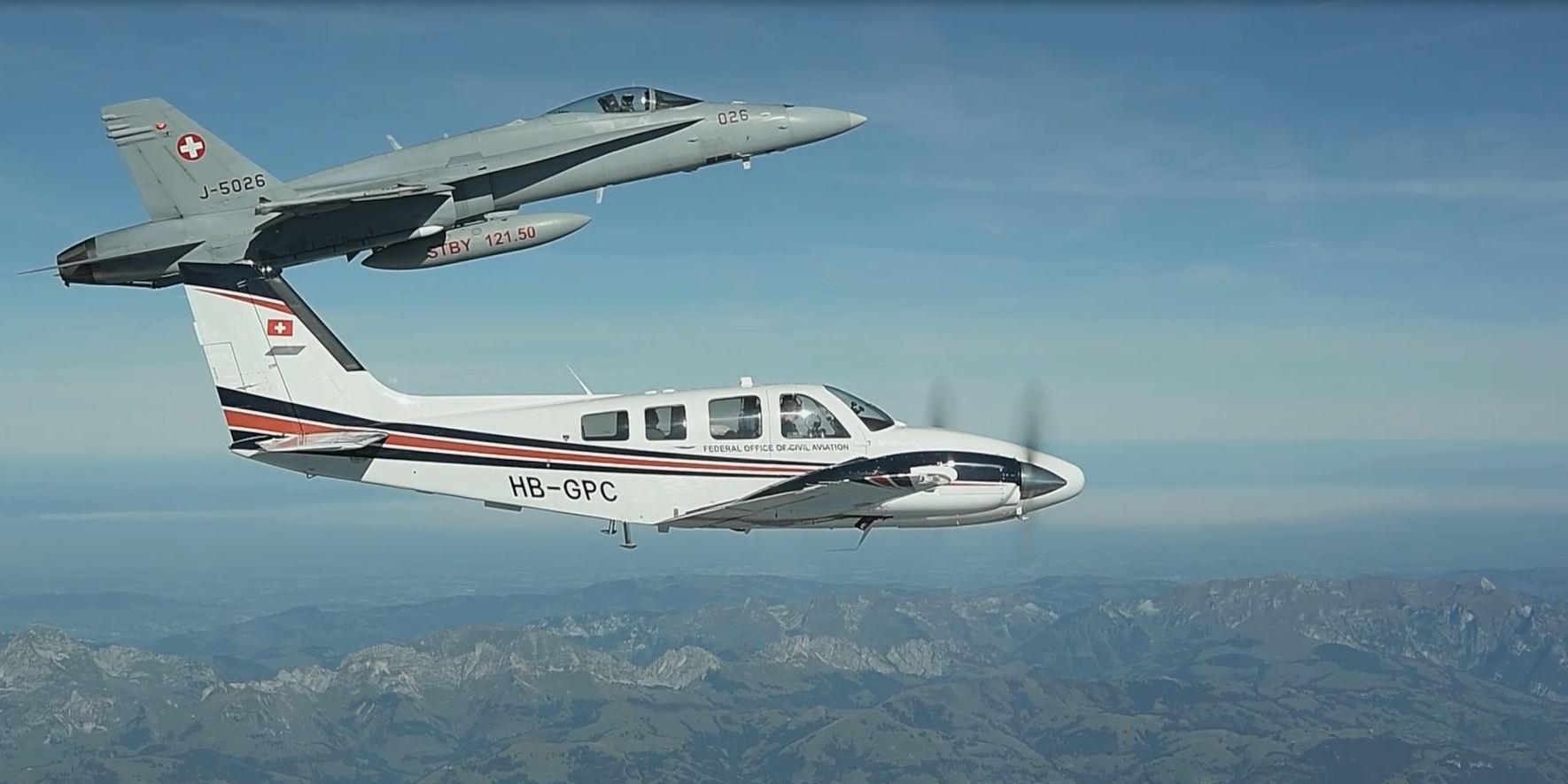
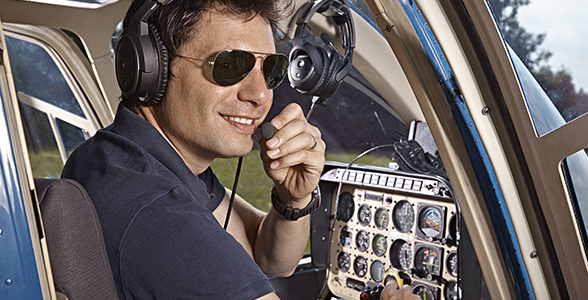

One of the main risks for general aviation (GA) is mid-air collisions. In EASA member states, there are an average of six fatal collisions every year, tragically claiming 13 lives annually.

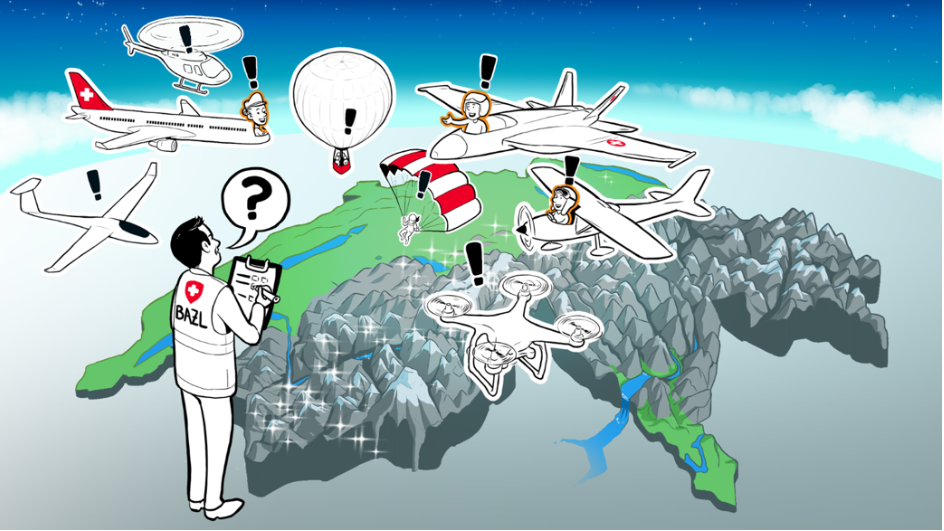
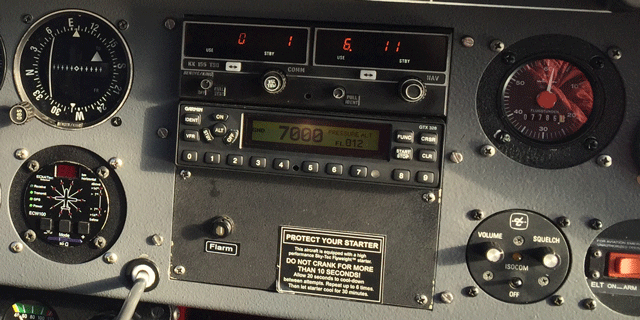
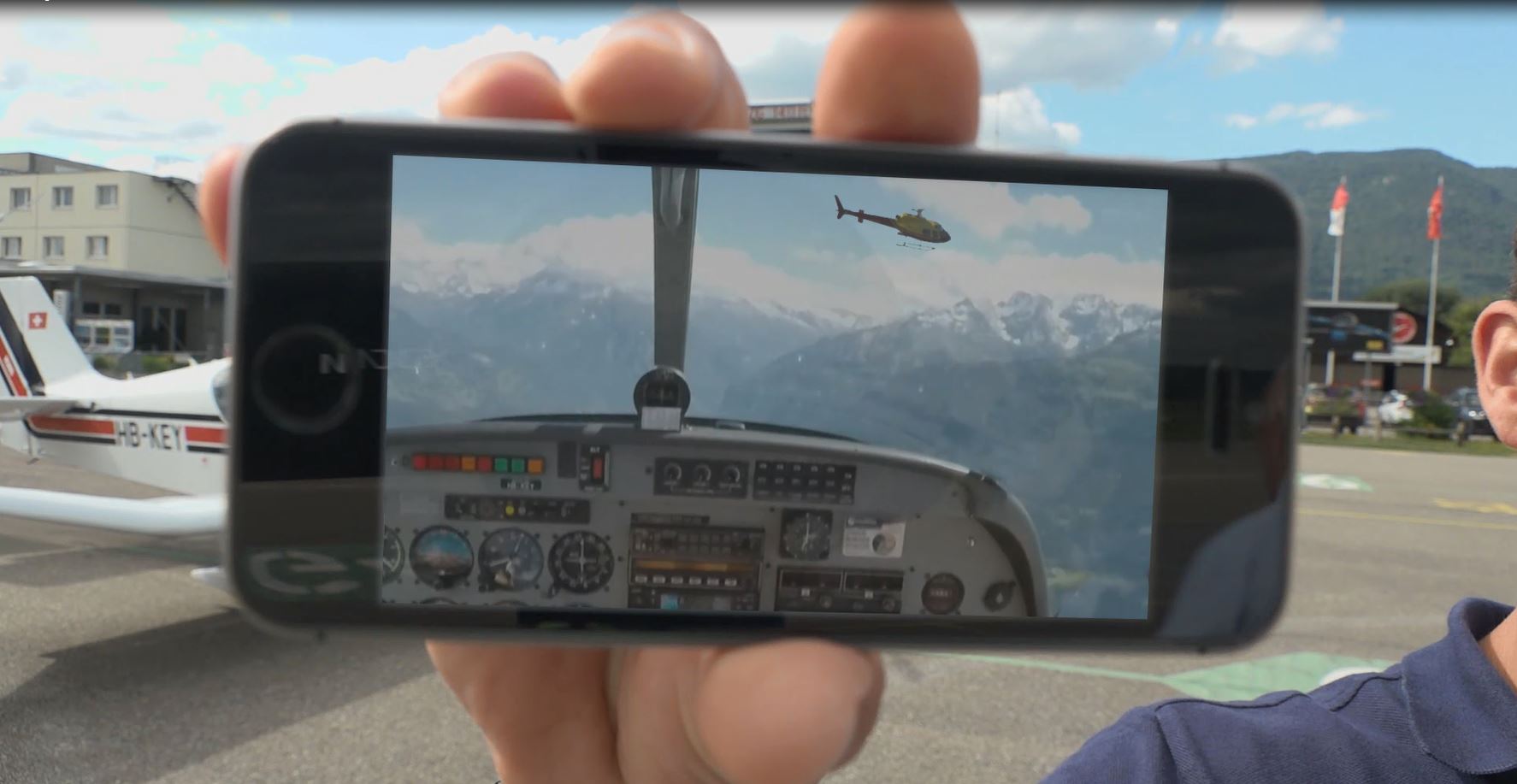
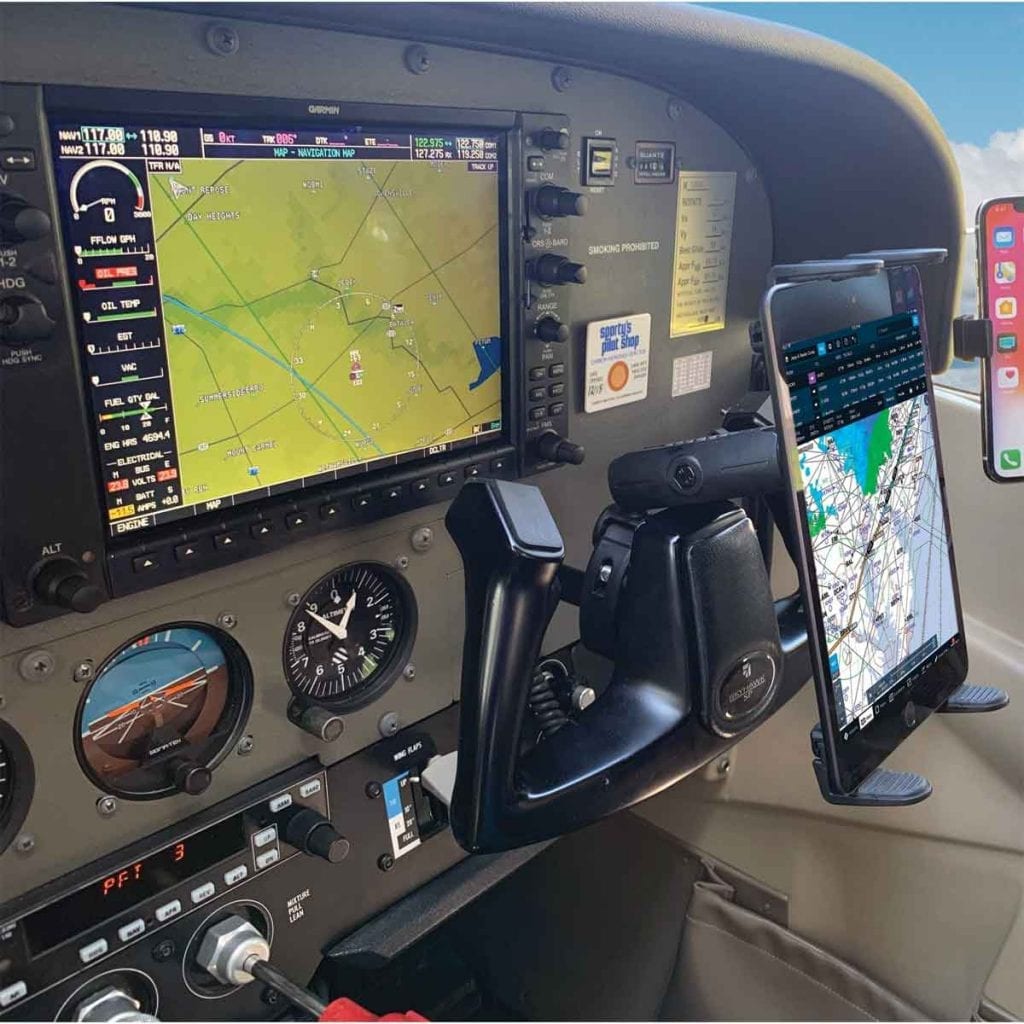
Seeing and avoiding traffic is the first rule for preventing mid-air collisions. Traffic information and collision warning systems based on electronic visibility are an important addition to the application of this principle. It doesn’t matter whether you fly a fixed-wing aircraft, a glider, a balloon, a paraglider, or any other type of aircraft. It is important that you are also electronically visible to others.

To this end, the FOCA is increasing the electronic visibility (e-conspicuity) of aircraft in Swiss airspace through technological harmonization. This is intended to reduce the risk of dangerous approaches (airprox). The recently published technology recommendation for owners and pilots is an important guide for equipping aircraft with the appropriate devices that are compatible with each other and ensure electronic visibility. Financial support for equipping aircraft can be applied for via special financing for air transport (BV87). This provides for measures to increase flight safety. Important links: Information on the FASST-CH project FASST-CH technology recommendation.
Important links:

Information about the FASST-CH project

FASST-CH technology recommendation


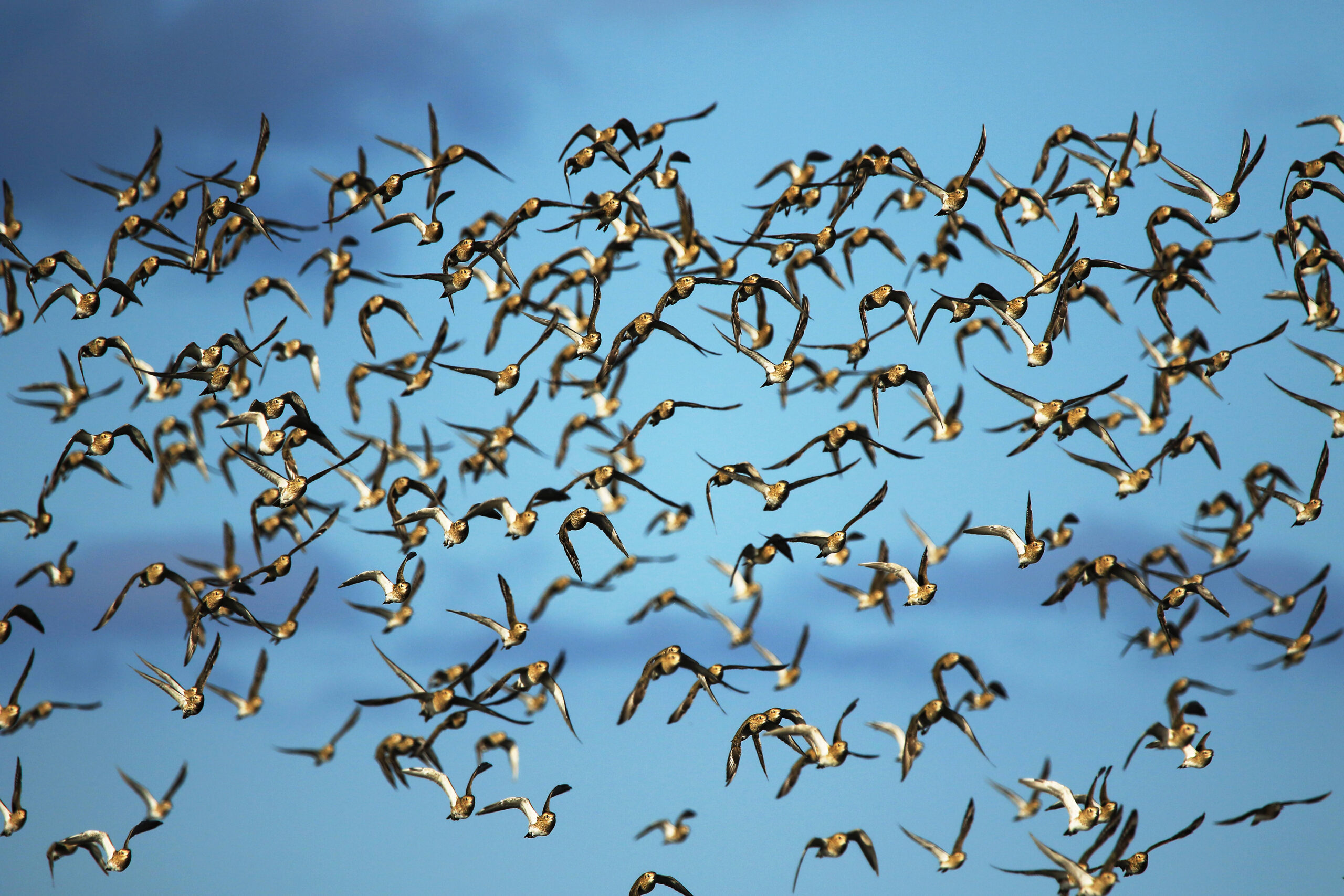
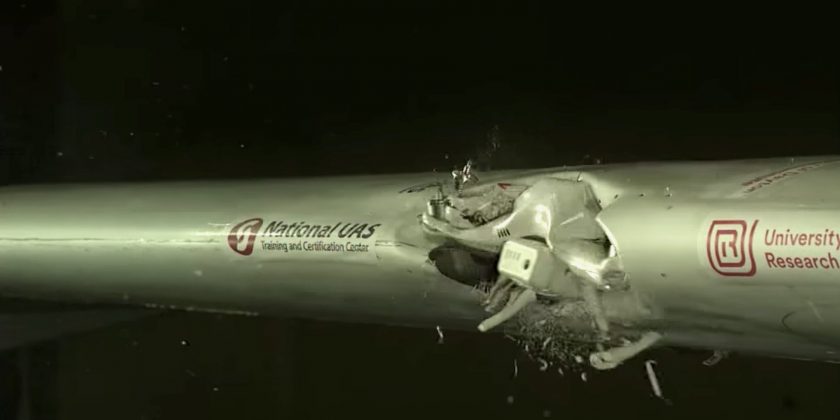
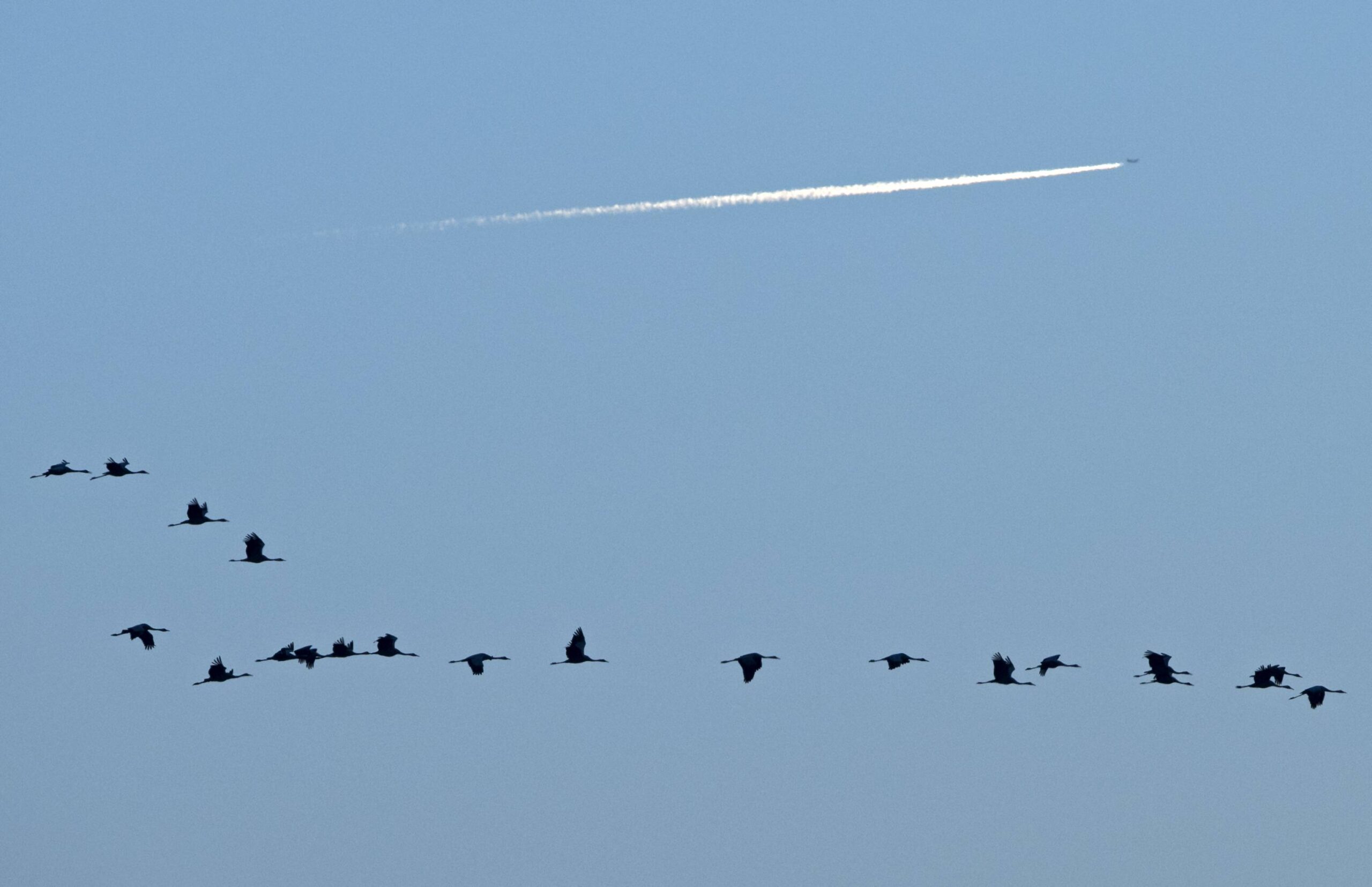
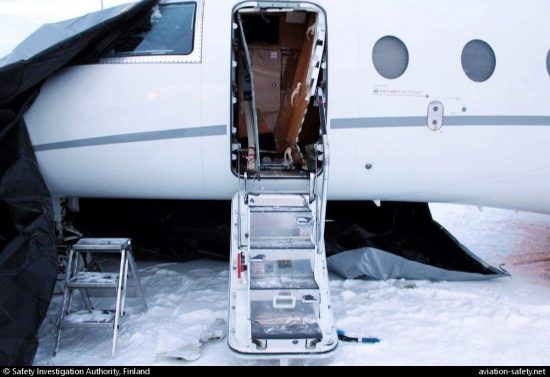
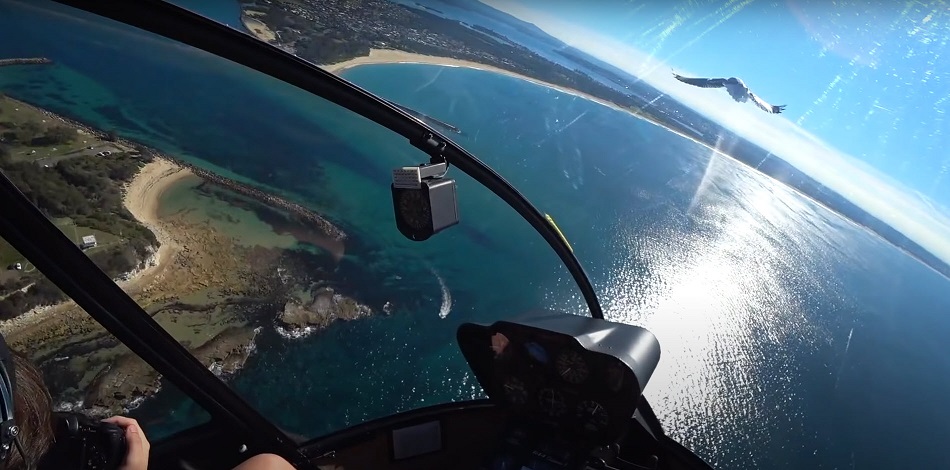
Bird strikes are not only a serious problem in commercial aviation, causing millions of dollars in damage every year. They also affect recreational aircraft. Many pilots are unaware that a collision with a soft-feathered bird can cause serious damage. This can include a shattered windshield with injuries to the cockpit crew, blocked air intakes on the engine, a broken pitot tube, damaged brake hoses, holes or dents in the fuselage or wings, or damage to the rotors on helicopters.

The frequency of bird strikes varies greatly depending on the season. In summer, for example, such incidents are much more common because young birds hatched in spring are just learning to fly and are not yet familiar with the dangers of air traffic. In addition, there is more traffic in summer, which increases the risk of collision with a bird.

What to do in the event of a bird strike?

If a bird strike occurs during takeoff, takeoff must be aborted immediately, provided the runway is long enough. If you are affected by a bird strike, the following applies: Stay calm! Collisions with birds can be very violent in some cases and are accompanied by a loud bang. The shock of a bird strike can be very traumatic for the cockpit crew and any passengers. It is therefore important to remain calm and keep control of the aircraft, maintain the correct speed and fly to the nearest airport as quickly as possible.

What to do after a bird strike: inspection and incident report

A bird strike must always be reported by radio. The aircraft should then be landed as quickly as possible. Once back on the ground, a thorough inspection of the aircraft must be carried out. In particular, the engine intakes and other air intakes must be checked for damage or bird nests, as well as the landing gear, including all supply lines. The damage may be so extensive that the aircraft is no longer airworthy and must be repaired at a suitable maintenance facility. A bird strike incident near an airfield or airport should be reported to the airport operator. Bird strikes are also safety-related events that must be reported in accordance with Regulation (EU) 376/2014.

Preventing bird strikes – but how?

The best thing is to avoid bird strikes altogether. That is why the FOCA works closely with airports and the Sempach Bird Observatory. Bird strike statistics provide interesting insights in this context and ultimately help to prevent bird strikes. It is therefore highly recommended to avoid bird sanctuaries and nature reserves. It is also advisable to always check the Ornitho radar Bird migration radar – www.ornitho.ch during the briefing.

Fly around bird sanctuaries for emergency landing exercises

Emergency landing exercises below the minimum flight altitude are also not permitted in protected areas, but where can these areas be found? You can display several maps at the same time on geo.admin.ch. If you first search for ICAO and then for AuLaV using the search bar, the areas will be visible. We ask you to respect the protected areas and choose sparsely populated or, even better, unpopulated areas for emergency landing exercises. The very rare lapwing, for example, and its brood in the Wauwilermoos vogelwarte.ch – Wauwilermoos habitat network and other protected areas Maps of Switzerland – Swiss Confederation – map.geo.admin.ch will appreciate your consideration!

BAZL page Dealing with wild animals and bird strike risk (admin.ch)

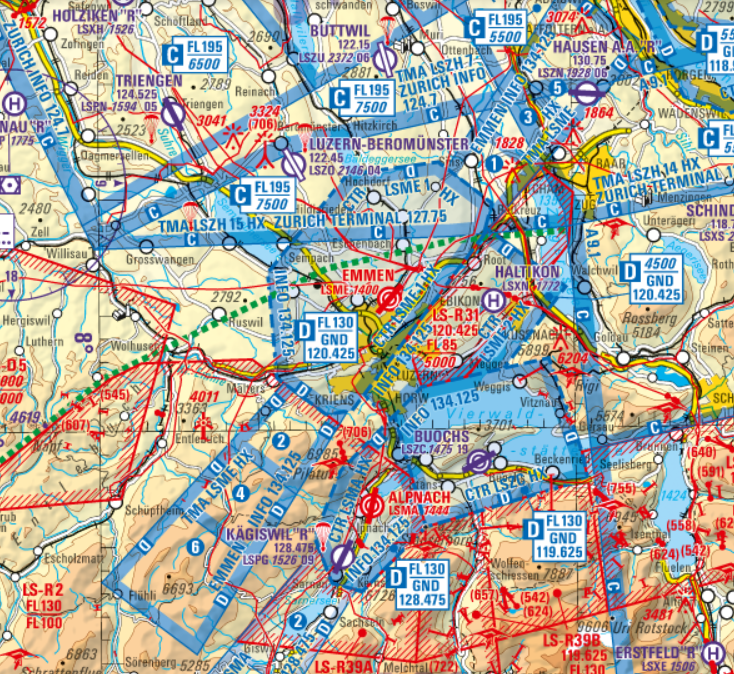
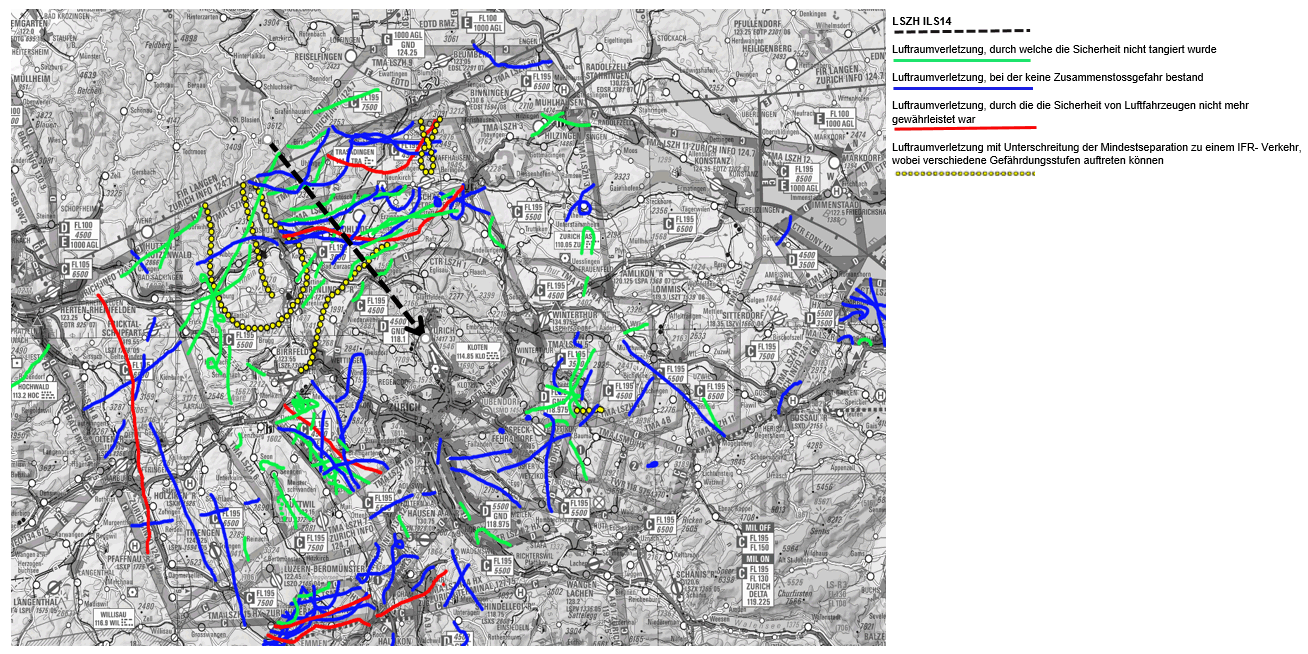
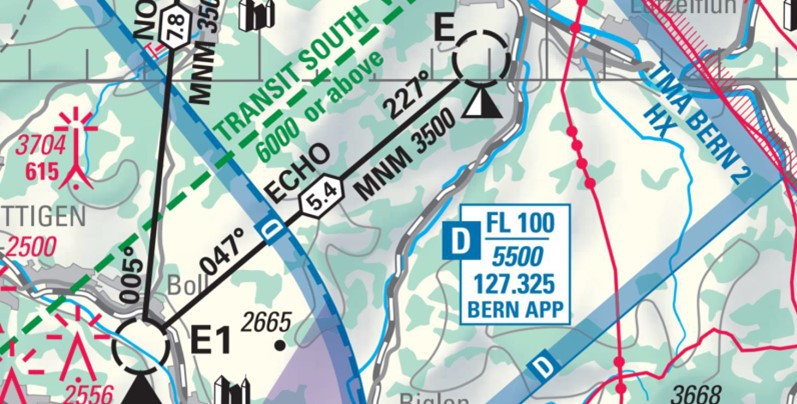
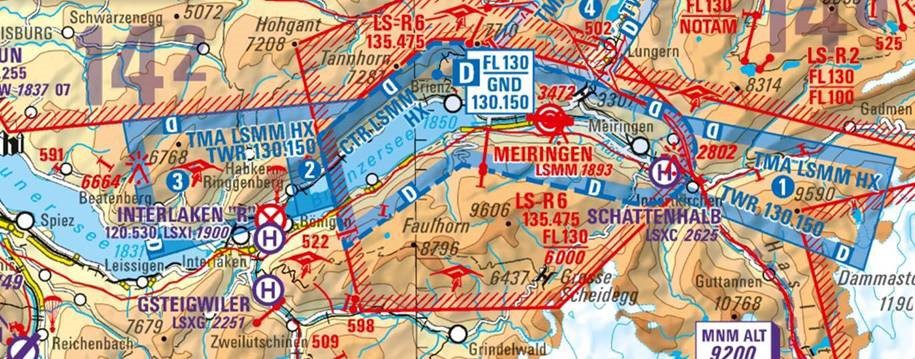
Airspace Echo is controlled airspace and is used for both VFR and IFR flights. In the past, there have been repeated instances of airproxes, particularly between IFR and VFR traffic, which can be attributed to various factors. Various safety recommendations have also addressed the factors to be improved, which affect pilots of gliders and motorized aircraft, as well as the cockpit crews of business jets.

We are therefore launching the awareness campaign “Airspace Echo (E)” to address the issues described above. It has the following objectives:

  • VFR and IFR pilots should be made aware of the risks in airspace Echo.
  • VFR and IFR pilots must know the rules as well as the methods and technical aids for avoiding collisions in airspace Echo.
  • The number of encounters between IFR and VFR traffic in Echo airspace should be reduced.

Online survey for VFR and IFR pilots until March 16, 2025

We now need your input. In the first phase of the campaign, we would like to use an online survey to gain important insights into pilots’ (situational) awareness. What do they know about airspace E and how do they prepare for flights in this airspace? The survey comprises around 20 questions and takes about 5-10 minutes to complete. It will be available until March 16, 2025 and can be accessed by clicking on the image below.

Help us improve safety in airspace Echo. Thank you for taking part in the survey! (Click on image)

Sorry, this entry is only available in DE, FR and IT.

Sorry, this entry is only available in DE, FR and IT.

Sorry, this entry is only available in DE, FR and IT.

Sorry, this entry is only available in DE and FR.

Sorry, this entry is only available in DE and FR.

Sorry, this entry is only available in DE and FR.

Sorry, this entry is only available in DE and FR.

Sorry, this entry is only available in DE and FR.

Sorry, this entry is only available in DE and FR.

Sorry, this entry is only available in DE and FR.

Sorry, this entry is only available in DE and FR.

Sorry, this entry is only available in DE and FR.

Sorry, this entry is only available in DE and FR.

Aufgrund eines Flugunfalles im Diavolezza-Gebiet gibt es Einschränkungen im Luftraum. Bitte denkt in der Flugvorbereitung daran und checkt die aktuellen Luftrauminformationen (NOTAM).

Sorry, this entry is only available in DE and FR.

Sorry, this entry is only available in DE and FR.

Sorry, this entry is only available in DE and FR.

Sorry, this entry is only available in DE and FR.

Sorry, this entry is only available in DE and FR.

Sorry, this entry is only available in DE and FR.

Sorry, this entry is only available in DE and FR.

Sorry, this entry is only available in DE and FR.

Sorry, this entry is only available in DE and FR.

Sorry, this entry is only available in DE and FR.

Sorry, this entry is only available in DE and FR.

Sorry, this entry is only available in DE and FR.

Sorry, this entry is only available in DE and FR.

Sorry, this entry is only available in DE and FR.

Sorry, this entry is only available in DE and FR.

Sorry, this entry is only available in DE and FR.